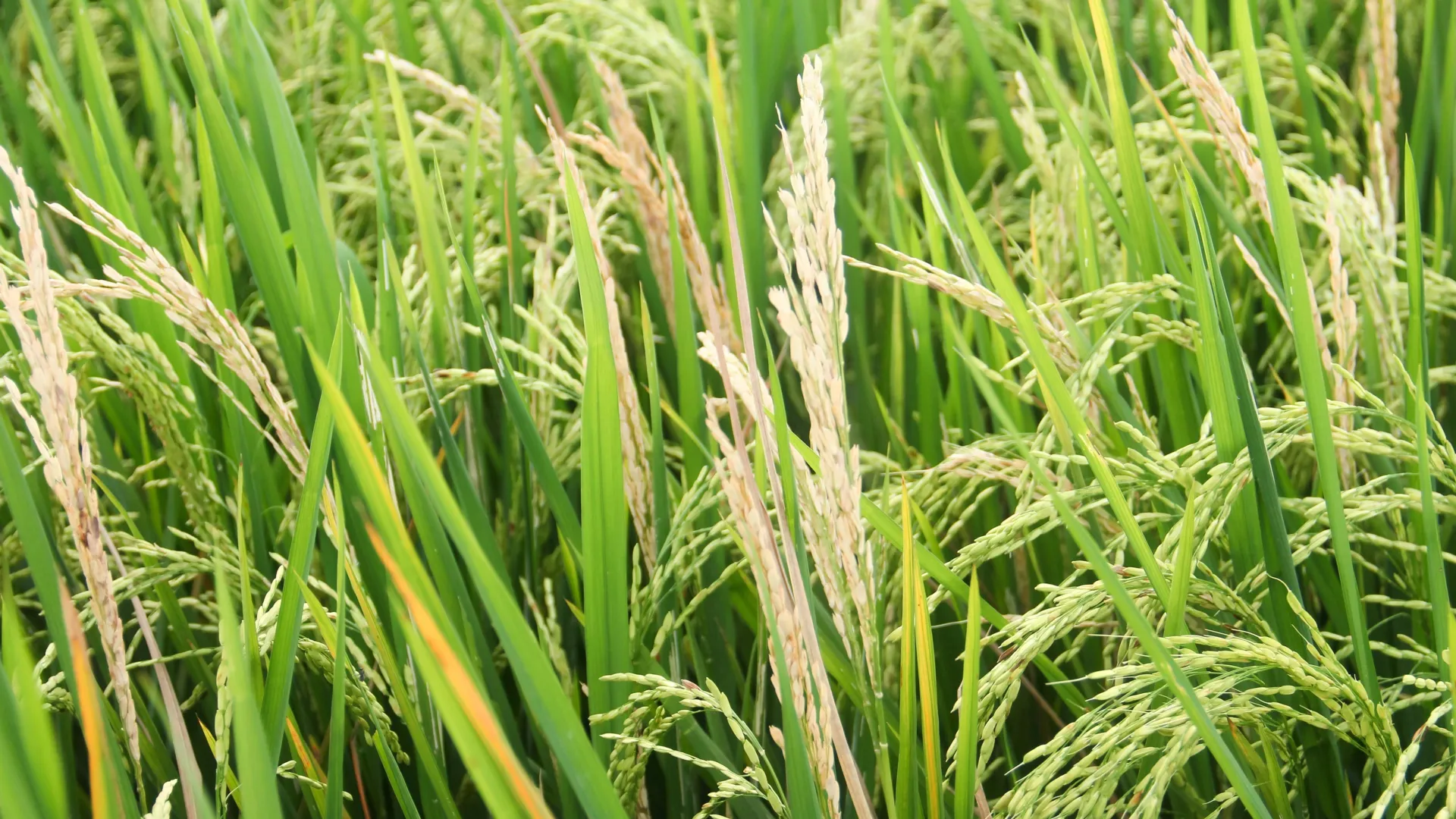
Researchers have engineered plant immune receptors that can spot multiple fungal threats, a step towards stronger protection for rice, wheat and barley against blast disease.
Follow the storyScientists5 stories
01Summary
- 01The study, published in Science Advances, was led by the John Innes Centre in the United Kingdom with collaborators at Kobe University in Japan.
- 02The target fungus is Magnaporthe oryzae, which causes blast disease and is the most serious fungal disease of cultivated rice.
- 03Rice blast destroys enough rice each year to feed about 60 million people, and the fungus is also a major threat to wheat and barley in parts of Asia and Africa.
- 04Researchers modified tandem kinase protein immune receptors so they could recognise two different fungal effectors linked to wheat and barley infections.
- 05The tests were done in wheat protoplasts, and the next step is to see whether the engineered receptors work in whole plants in greenhouse conditions.
02Why it matters
If the method works in crops, it could help protect staple foods from a disease that already causes major losses worldwide. That could make harvests more secure as fungal infections spread into new regions.
Pulse AIAsk about this story
Answers are generated by AI from the story summary; they are not investment, health or legal advice.