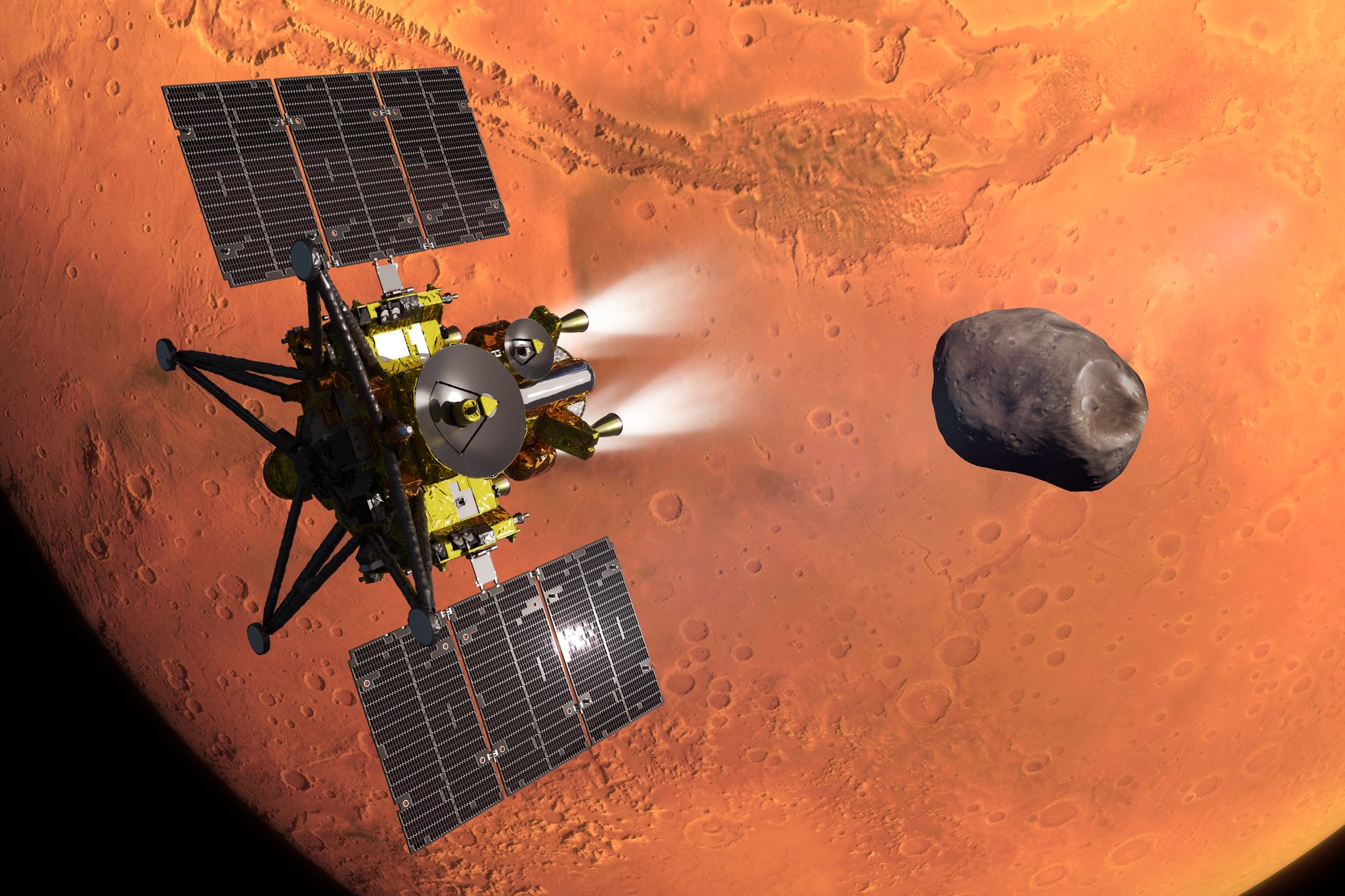
NASA is helping JAXA’s MMX mission study Mars’ moons Phobos and Deimos, with a plan to bring a Phobos sample back to Earth in 2031.
Follow the storyNASA8 stories
01Summary
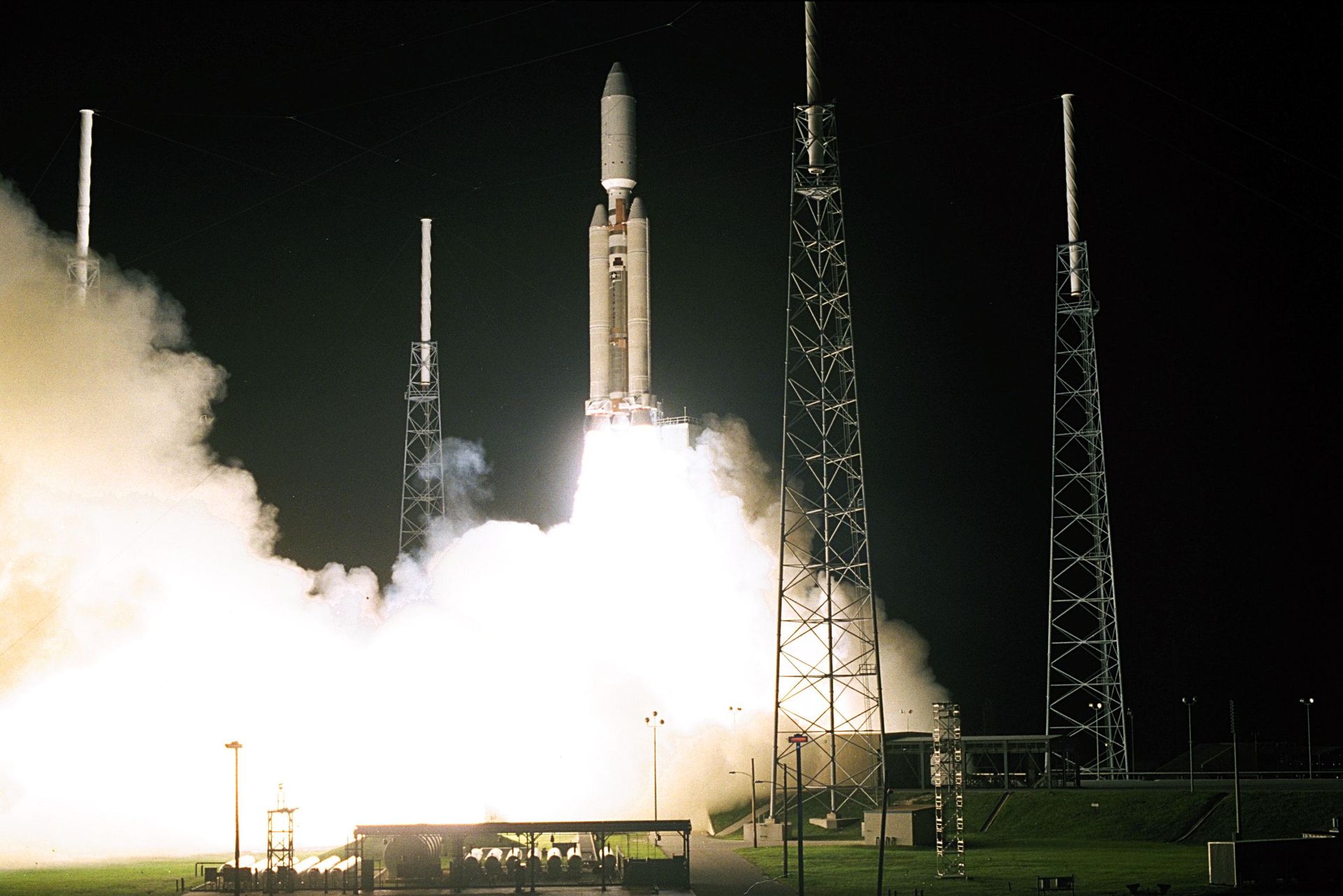
- 01The MMX spacecraft is due to launch from Tanegashima Space Center in Japan at 3:41 p.m. EDT on Monday, 19 October.
- 02NASA is contributing the MEGANE spectrograph, the P-Sampler technology demonstration, Deep Space Network communications and navigation support, and funding for US scientists on the mission.
- 03The spacecraft will arrive at Mars in August 2027, survey Phobos, collect a surface sample no earlier than December 2028, and return it to Earth in 2031.
- 04NASA will receive and curate about 15% of the returned sample at Johnson Space Center in Houston.
- 05Scientists hope the data will show whether Phobos and Deimos are captured asteroids or remnants of a giant impact on Mars.
02Why it matters
The mission could settle a long-running question about how Mars’ moons formed and shed light on the early solar system. The returned sample will also be available for research for decades.
Pulse AIAsk about this story
Answers are generated by AI from the story summary; they are not investment, health or legal advice.