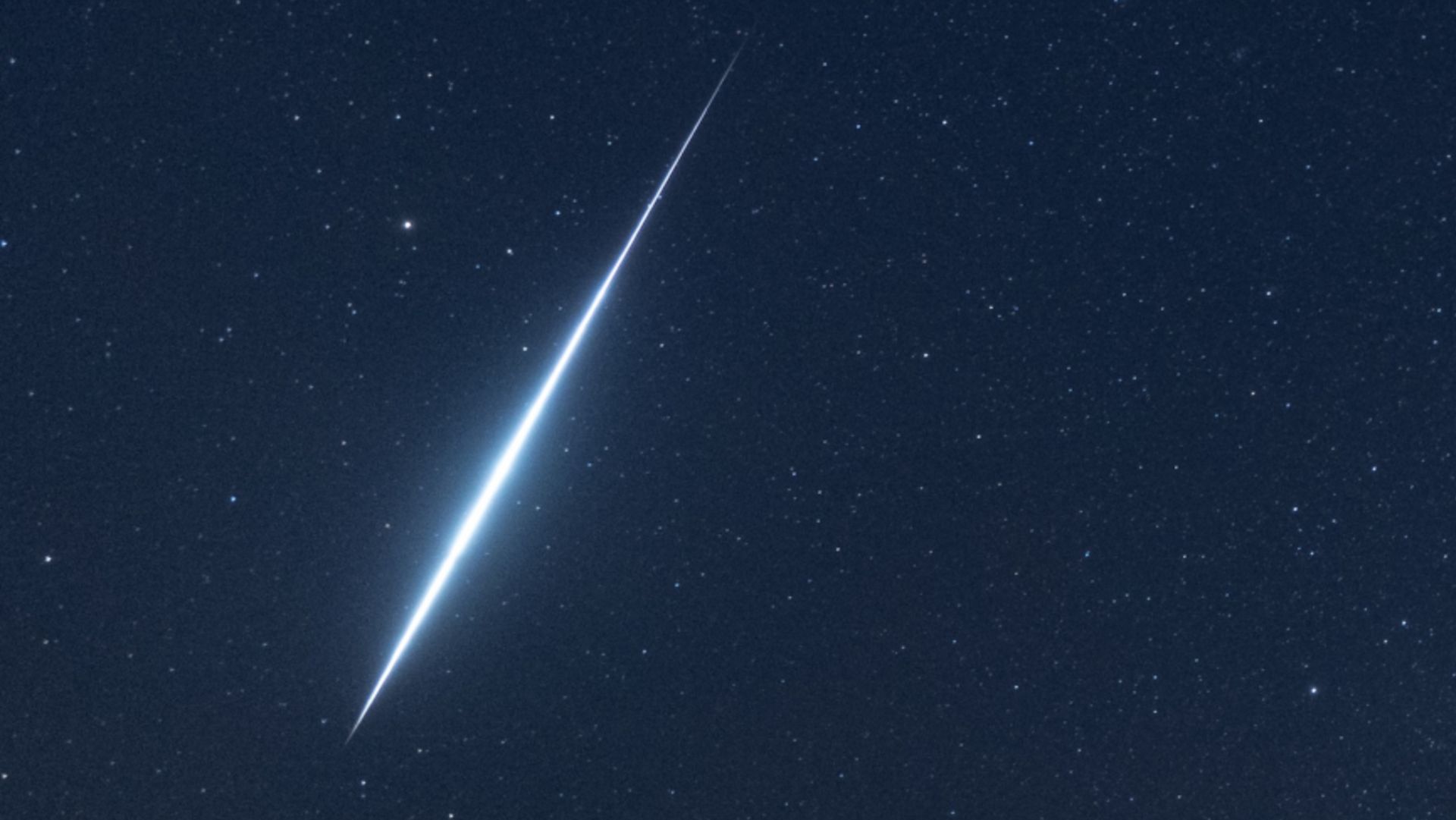
The Orionid meteor shower peaks overnight on Oct. 21-22, though a waxing gibbous moon may reduce visibility. Best viewing is before dawn on Oct. 22 after moonset.
Follow the storyHere6 stories
01Summary
- 01The Orionid meteor shower peaks tonight (Oct. 21-22) as Earth passes through debris from Comet 1P/Halley.
- 02Under ideal dark skies, 10 to 20 meteors per hour could be visible, but a waxing gibbous moon (four days from full) will obscure fainter ones.
- 03Meteors appear to radiate from near the star Betelgeuse in Orion, which rises about an hour before midnight for U.S. viewers.
- 04Optimal viewing is in the hours before dawn on Oct. 22, after the moon has set and the radiant is high.
- 05Viewers are advised to find a dark location away from city lights and allow 20–30 minutes for eyes to adapt.
02Why it matters
This is your best chance this year to see fragments of Halley's Comet, which won't be visible again until 2061. The moon's brightness will reduce the show, so timing is critical.
Pulse AIAsk about this story
Answers are generated by AI from the story summary; they are not investment, health or legal advice.