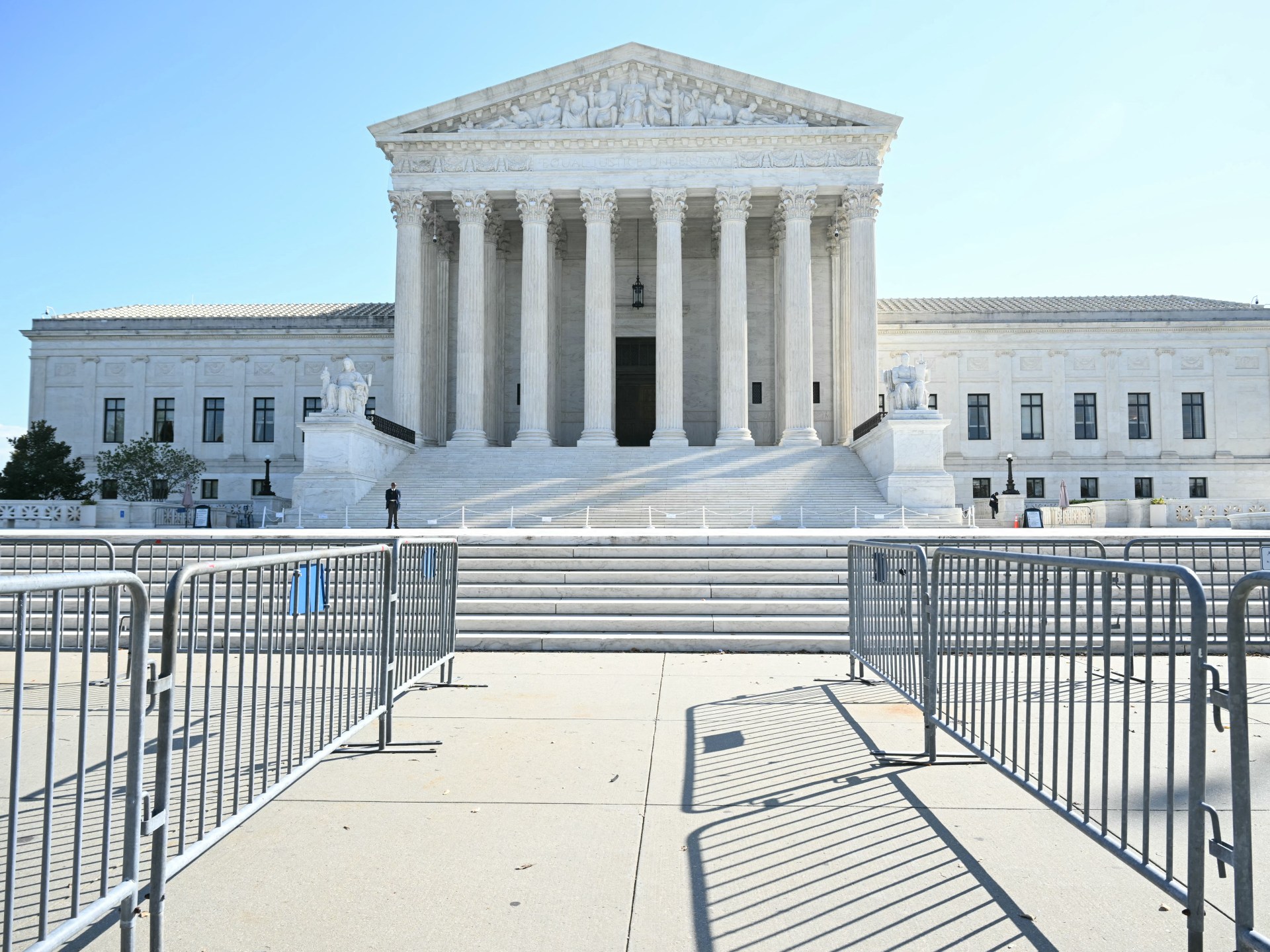
The US Supreme Court is about to hear a case that could restrict private rights to sue under Title IX, part of a broader conservative push to limit individuals and advocacy groups from enforcing civil rights in court.
01Summary
- 01The Supreme Court will hear on November 30 whether employees of federally funded universities can sue under Title IX over workplace sex discrimination.
- 02The Trump administration argues that Congress never gave university employees a private right to bring such claims.
- 03In June, the Supreme Court declined to hear a challenge to a ruling that barred Arkansas United from suing to enforce voter-assistance protections.
- 04Conservative critics of private rights of action argue they encourage frivolous litigation, while supporters like AARP see them as vital for vulnerable groups.
- 05The Eighth Circuit has ruled that private individuals and advocacy groups cannot sue to enforce key provisions of the Voting Rights Act.
02Why it matters
This matters because if individuals and civil rights groups cannot sue, enforcement power shifts to the government, which may be unwilling or unable to act, threatening voting rights and anti-discrimination protections.
Pulse AIAsk about this story
Answers are generated by AI from the story summary; they are not investment, health or legal advice.


